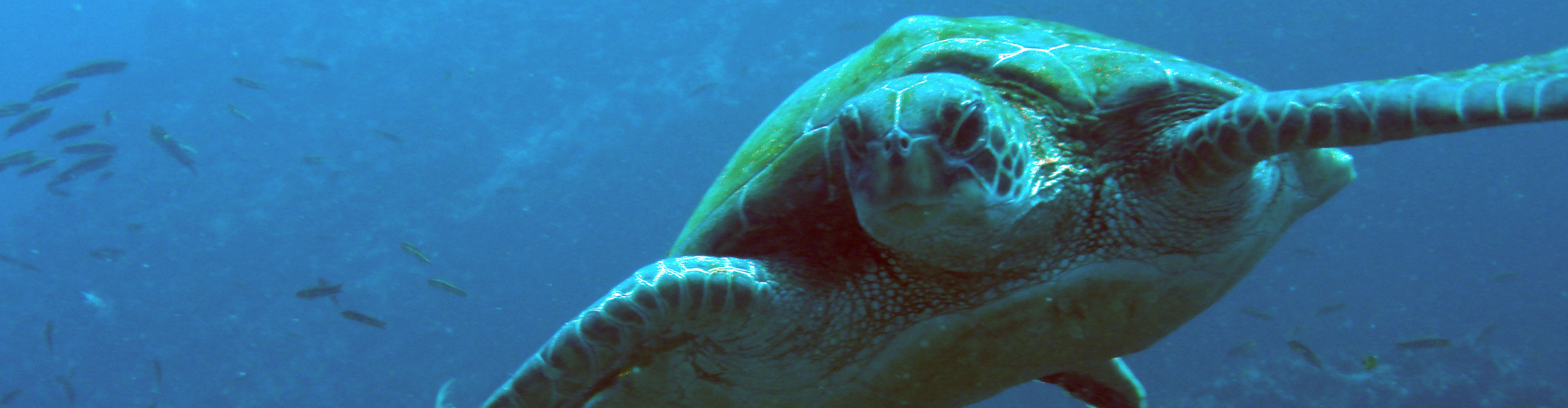
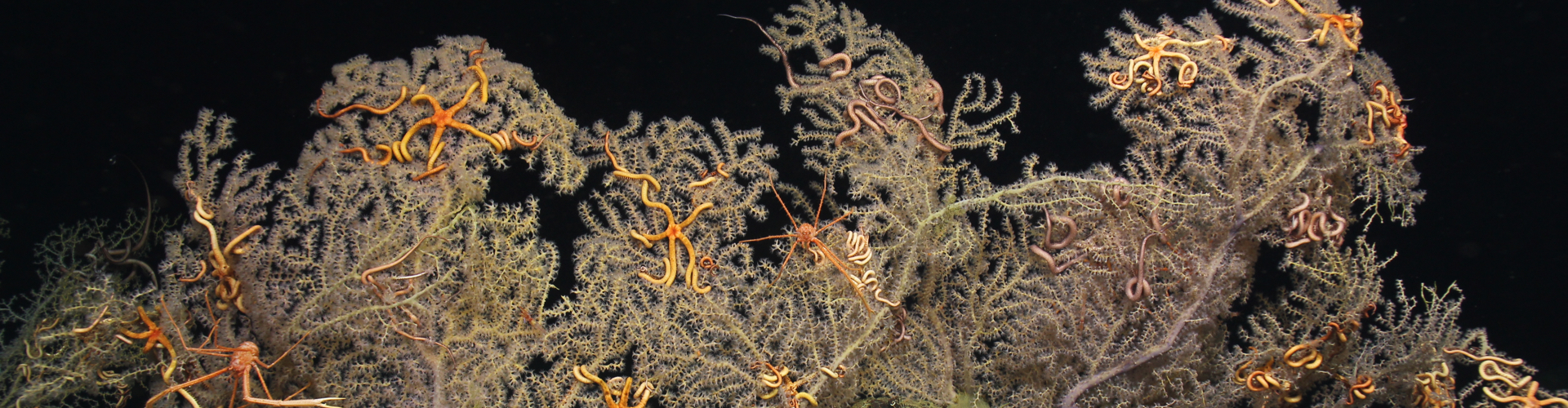
Why study coral reef ecosystems?
High human population densities on the world’s tropical shores and changing environmental conditions such as a warming global climate have had significant and detrimental impacts on coral reefs. Time is running out, and it is in our best interest to understand and protect these highly diverse ecosystems that provide important services to local and national economies. In fact, coral reefs are often considered the “medicine cabinet” of the 21st century and promising natural compounds with a range of medicinal properties have been discovered in reef invertebrates and microbes.
In the Baums Lab we use molecular techniques to answer fundamental questions about marine evolution and ecology to guide coral reef conservation efforts. Please browse our research to learn more about our specific areas of study, and please visit our opportunities page if you're interested in joining our lab.
News and Announcements
STAG DB has a new home! https://hifmb.de/research/infrastructure/coral-stag-database/
Coral STAG Database
STAGdb is a standardized, high-resolution SNP genotyping array and analysis workflow for identifying clonal genotypes (genets) in the coral genus Acropora and their dinoflagellate symbionts. The array simultaneously genotypes coral hosts and symbionts using bi-allelic SNP markers derived from Caribbean Acropora species and their dominant symbiont, Symbiodinium ‘fitti’. It enables discrimination of host populations, and determination of hybrid ancestry (sometimes referred to as “A. prolifera”). A subset of markers also allows genotyping of Pacific Acropora and detection of other symbionts to the genus level. STAG is implemented in a customized Galaxy platform, providing a standardized database of previously identified host genets and workflow for consistent genet identification, restoration planning, and downstream genomic analyses.
Coral larval exchange project produces standard operation procedures for responsible larval exchange
CCLE
https://caribbean-coral-larvae-exchange.my.canva.site/ccle.